 (913) 347-4180
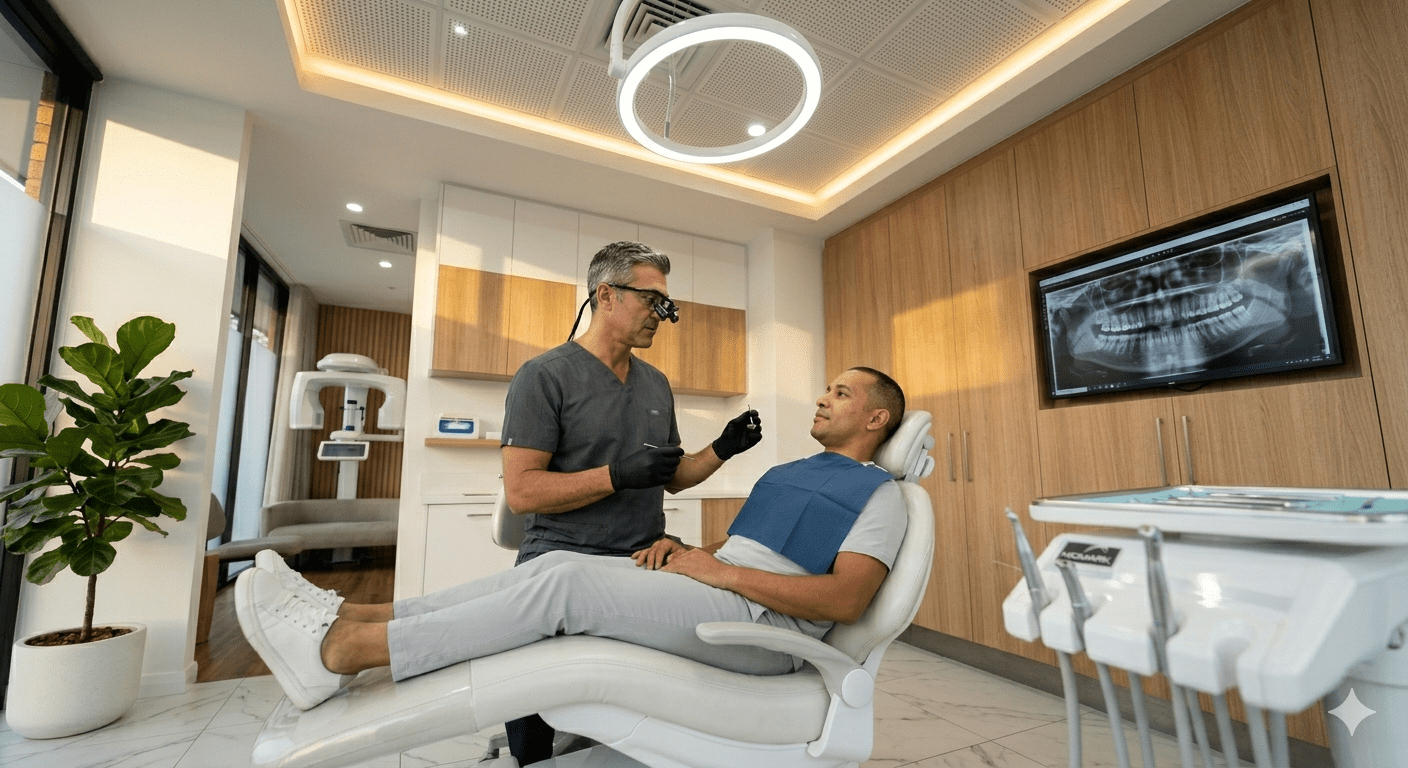
If wisdom teeth are causing pain, crowding, or repeated infections, you should plan for timely removal to protect long-term dental health. A local Overland Park dental team can evaluate your X-rays, explain options, and perform safe, comfortable extractions using modern sedation and pain control.
You’ll learn when removal makes sense, what to expect during the procedure, and practical aftercare steps to speed healing and avoid complications. Expect clear guidance on choosing a neighborhood dentist in Overland Park, tips to manage anxiety and discomfort, and simple prevention strategies to keep your smile healthy.
Understanding Wisdom Teeth
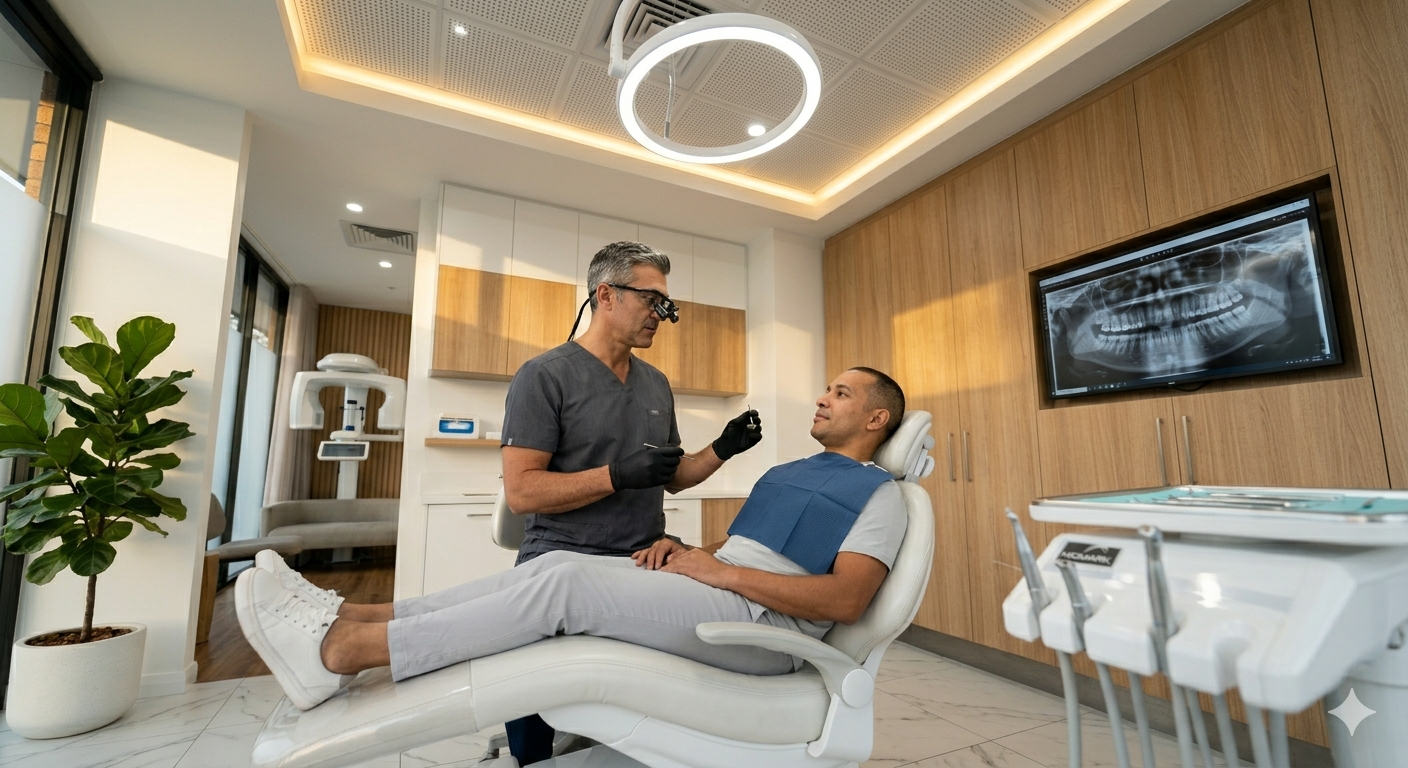
This section explains what wisdom teeth are, why they can cause pain or infection, and the most common signs that extraction may be necessary.
What Are Wisdom Teeth?
Wisdom teeth are the third molars that usually erupt between ages 17 and 25.
They sit at the very back of the mouth — two in the upper jaw and two in the lower jaw — and are the last permanent teeth to appear.
Many people have enough room for these teeth and experience no problems.
Others have jaws that are too small, causing the teeth to come in at an angle, remain partially buried (impacted), or push against neighboring molars.
Impacted wisdom teeth may create pockets that trap food and bacteria, increasing the risk of decay and gum disease.
Dental X-rays show tooth position, root development, and proximity to the inferior alveolar nerve in the lower jaw.
Clinicians use this information to decide whether monitoring, extraction, or other interventions are safest.
Why Wisdom Teeth Sometimes Cause Problems
Crowding occurs when emerging wisdom teeth push against adjacent molars, shifting tooth alignment and sometimes undoing orthodontic work.
Pressure from erupting teeth can also cause persistent pain or aching in the jaw.
Impaction — when a tooth is blocked by bone or soft tissue — creates a partial eruption site where food and bacteria accumulate.
That leads to pericoronitis (gum infection), decay on the wisdom tooth or the second molar, and bad breath.
Cysts or, rarely, benign tumors can form around an impacted tooth’s follicle, potentially damaging bone or tooth roots.
Wisdom teeth also often develop complex root anatomy, increasing extraction difficulty and the importance of preoperative imaging and planning.
Common Signs You May Need Extraction
Persistent pain behind the second molars, especially during chewing or when opening the mouth wide, often signals wisdom-tooth issues.
Swelling of the gum tissue at the rear of the mouth or recurrent gum infections localized to that area are common red flags.
Repeated episodes of pain or infection, visible partial eruption with trapped debris, and new cavities on the wisdom or adjacent teeth suggest removal.
Difficulty fully opening the jaw (trismus), numbness or tingling if nerves are involved, and panoramic X-ray findings of impaction or cysts also indicate extraction.
Dentists consider age, overall oral health, tooth position on X-rays, and patient symptoms when recommending extraction.
They discuss anesthesia options, likely recovery course, and any potential nerve-related risks before proceeding.
When to Consider Removal
Wisdom teeth can cause pain, infection, crowding, and damage to adjacent teeth. Timely evaluation and clear criteria help decide whether removal is the safest option for long-term oral health.
Risks of Delaying Treatment
Delaying removal raises the chance of recurrent pericoronitis — inflammation and infection of gum tissue around a partially erupted tooth. That condition can produce swelling, bad breath, difficulty opening the mouth, and repeated antibiotic courses.
Impacted wisdom teeth that sit against the second molar can cause decay or root resorption on that neighboring tooth. Those problems often require larger restorations or even root canal treatment later.
Cysts and, rarely, tumors may form around an unerupted third molar; these can destroy bone and complicate later surgery. Bone loss around adjacent teeth increases surgical complexity and recovery time.
If the tooth becomes symptomatic, extraction under local anesthesia or sedation is still effective, but earlier, planned removal typically lowers infection risk and shortens recovery.
How Dentists Diagnose the Need for Extraction
Dentists combine clinical exam findings with radiographs to decide on extraction. Panoramic X-rays show tooth position, angulation, root development, and proximity to the inferior alveolar nerve.
Clinicians assess symptoms: pain, swelling, repeated infections, cavities on the wisdom or second molar, or orthodontic relapse due to crowding. They also evaluate oral hygiene access; teeth that trap food despite proper care often warrant removal.
Medical history influences timing: bleeding disorders, immunosuppression, or certain medications may require coordination before surgery. Dentists discuss risks, expected healing time, and anesthesia options, offering a tailored plan that balances urgency and patient comfort.
Typical Ages for Extraction
Third molars most commonly erupt between ages 17 and 25, making late teens and early twenties the usual window for evaluation. At this stage, roots are often partially formed, and bone is less dense, which can simplify removal and accelerate healing.
If X-rays indicate problematic positioning early, dentists may recommend extraction before roots fully mature to reduce nerve risk and surgical trauma. Older adults can still undergo extraction, but healing may be slower and surgical risks slightly higher due to denser bone and possible medical comorbidities.
Orthodontic patients often receive evaluations during adolescent treatment; removal may be timed to prevent relapse or to facilitate tooth movement. Dentists explain timing options clearly so patients and families can make informed decisions.
Your Comfort During the Procedure
Patients can expect personalized pain control, clear staffing roles, and steps to limit anxiety and physical discomfort. The clinic combines modern sedation choices, local anesthesia techniques, and practical comfort measures so patients feel safe and informed from intake to recovery.
Modern Sedation and Anesthesia Options
Dentists offer three common levels of sedation: local anesthesia, nitrous oxide (laughing gas), and IV sedation. Local anesthesia numbs the extraction site with lidocaine or articaine; the patient stays awake and can respond, with minimal systemic effects. Nitrous oxide reduces anxiety and alters perception; it wears off quickly, allowing patients to drive after a short recovery if combined with only local anesthetic. IV sedation produces a deeper, drowsy state and is managed by a trained provider; patients often do not recall parts of the procedure and must arrange transportation home. Prior to sedation, the team reviews medical history, current medications, and fasting instructions to reduce risks. Monitoring includes blood pressure, pulse oximetry, and continuous observation for the entire visit. Clinics in Overland Park often employ board-certified anesthesiologists or sedation-trained dentists for complex cases, which increases safety and confidence.
What to Expect During Your Visit
Arrival typically includes paperwork, a review of medical history, and an opportunity to ask final questions. The dental team explains the chosen anesthesia, confirms consent, and marks the extraction site to prevent errors. If IV sedation is used, a nurse places an IV, administers medications, and monitors vitals; nitrous oxide is delivered via a nose mask and adjusted for comfort. The dentist uses sterile instruments and a gentle, stepwise extraction technique; most procedures last 20–60 minutes depending on impaction and number of teeth. The team pauses to check comfort frequently and administers additional local anesthetic as needed. After the procedure, patients spend 15–60 minutes in recovery while the staff reviews at-home care, prescriptions, and emergency contact procedures.
Steps Dentists Take to Minimize Discomfort
Dentists use targeted local blocks (inferior alveolar, long buccal, or posterior superior alveolar) to numb precise nerve pathways and reduce overall anesthetic volume. They employ atraumatic extraction methods—sectioning teeth, using elevators, and conserving bone—to shorten procedure time and lower postoperative pain. Real-time communication matters: clinicians ask about pressure, pain, or nausea and respond immediately with more anesthetic or sedative adjustments. Postoperative comfort measures include placing gauze for clot stabilization, prescribing NSAIDs or short opioid courses only when necessary, and recommending cold packs and head elevation. The practice provides written aftercare instructions and accessible follow-up options, including same-day calls or emergency appointments if bleeding, swelling, or severe pain develops.
The Removal Process in Overland Park
Patients can expect a clear, step-by-step experience focused on comfort, safety, and predictable recovery. The local clinics coordinate imaging, anesthesia options, and aftercare instructions so patients know what to expect before, during, and after surgery.
Initial Consultation and Planning
At the first visit, the oral surgeon reviews medical history, current medications, and any prior reactions to anesthesia. A panoramic X-ray or CBCT scan is taken to determine tooth position, root anatomy, and proximity to the inferior alveolar nerve.
The team discusses options—local anesthesia with sedation, IV sedation, or general anesthesia—based on patient anxiety, complexity of impaction, and medical risk factors. Clear estimates for time, cost, and insurance use are provided.
Surgeons explain risks such as dry socket, nerve paresthesia, and infection, and outline prevention steps including antibiotics when indicated and precise surgical techniques. Patients receive written preoperative instructions that cover fasting, medication adjustments, and transportation plans.
Day of Surgery: Walkthrough
Upon arrival, staff confirm consent forms and review vital signs, then start any requested sedation. Local anesthetic is administered even when sedation is used, to eliminate pain during the procedure and reduce postoperative discomfort.
Extraction typically takes 30–90 minutes for four wisdom teeth, depending on impaction severity. Surgeons use minimally invasive techniques—small incisions, conservative bone removal, and precise suturing—to speed healing.
After surgery, patients recover in the clinic until alert; staff give tailored aftercare instructions covering pain control, swelling management with ice, soft-food suggestions, and when to resume normal activities. Contact details for same-day questions and emergency care are provided.
Experienced Local Oral Surgeons
Overland Park oral surgeons hold DMD/DDS degrees plus specialized residency training in oral and maxillofacial surgery, and many maintain board certifications. Clinics often use up-to-date equipment like digital imaging, piezoelectric instruments, and sedation monitoring to enhance precision and safety.
Teams emphasize patient comfort: they offer sedation options, friendly intake staff, and private recovery areas. Surgeons routinely manage complex cases such as deeply impacted or ankylosed third molars and coordinate with medical physicians for patients on anticoagulants or with systemic conditions.
Patients are encouraged to ask about surgeon experience with similar cases, review before-and-after expectations, and confirm follow-up scheduling to support a smooth recovery.
Aftercare and Recovery Tips
Patients can expect guidance on wound care, pain control, swelling reduction, and safe foods to support healing after wisdom tooth removal. Following specific instructions helps prevent complications and speeds recovery.
Caring for Your Mouth Post-Surgery
Keep the initial gauze in place for the recommended time, usually 30–60 minutes, and replace it only when bleeding persists. If bleeding continues, bite on a fresh, folded gauze pad with steady pressure for 20–30 minutes; avoid spitting or rinsing vigorously for the first 24 hours to protect the clot.
Start gentle rinses 24 hours after surgery with warm saltwater (½ teaspoon salt in 8 ounces of water), swishing for 30 seconds and spitting gently, four to six times daily. Brush teeth carefully the day after surgery, avoiding the extraction sites, and use a soft-bristled brush to remove plaque without disturbing sutures.
Avoid smoking, vaping, using straws, or heavy lip/tongue activity for at least 72 hours to reduce dry socket risk. Attend follow-up appointments for suture checks or stitch removal, and contact the dental office if fever, prolonged heavy bleeding, increasing pain, or signs of infection occur.
Managing Pain and Swelling at Home
Use prescribed opioids only if recommended and follow dosing limits; combine acetaminophen (up to 3,000 mg/day unless advised otherwise) and an NSAID like ibuprofen (up to 2,400 mg/day with medical clearance) for effective pain control when permitted. Take medications with food to reduce stomach upset and set alarms for dosing schedules during the first 48–72 hours.
Apply an ice pack to the cheek for 15 minutes on, 15 minutes off, during the first 24 hours to limit swelling and bruising. After 48 hours, switch to warm compresses if swelling persists to promote circulation and comfort. Sleep with the head elevated on pillows for the first 2–3 nights to reduce throbbing and fluid buildup.
Limit physical activity for 48–72 hours; avoid heavy lifting, strenuous exercise, or bending over, as these actions can increase bleeding and pain. Follow any antibiotic regimen exactly as prescribed and report allergic reactions, severe nausea, or uncontrolled pain to the clinic immediately.
Foods to Eat and Avoid During Recovery
Choose soft, nutrient-dense foods that require little chewing: Greek yogurt, applesauce, mashed potatoes, scrambled eggs, smoothies (no straws), and blended soups. Cool or room-temperature items reduce irritation; avoid very hot foods and drinks for 24–48 hours to protect clot formation.
Avoid crunchy, sticky, or small-particle foods that can lodge in sockets: chips, nuts, popcorn, seeds, and chewy candy. Do not use straws for at least one week because suction can dislodge clots and cause dry socket. Also avoid alcohol and smoking for at least 72 hours, as they delay healing and increase infection risk.
Introduce firmer foods gradually as chewing comfort returns, usually after 5–7 days; start with soft-cooked vegetables and soft pasta, progressing by comfort. If a tooth site feels tender after solid foods are reintroduced, revert to softer choices and contact the dentist if problems persist.
Preventing Future Dental Issues
Patients can reduce risks after wisdom teeth removal by maintaining precise home care, scheduling regular professional checks, and addressing bite or crowding concerns early. Targeted steps—daily hygiene routines, diet choices, and timely orthodontic or restorative care—help prevent decay, infection, and shifting teeth.
Long-Term Oral Health Strategies
Emphasize twice-daily brushing with a soft-bristled brush and fluoride toothpaste, plus daily interdental cleaning using floss or interdental brushes to remove food trapped near extraction sites and adjacent molars. Replace toothbrushes every three months or after illness.
Limit sugary, acidic snacks and sticky foods for the first two weeks, then choose low-sugar, calcium-rich foods (yogurt, cheese, leafy greens) to support enamel and bone health. Avoid tobacco and vaping, which delay healing and increase infection risk.
If third-molar removal prompted crowding or bite changes, refer to an orthodontist for an evaluation within 6–12 months. Consider a protective nightguard if bruxism is detected to prevent enamel wear and TMJ strain. Discuss fluoride varnish or prescription-strength toothpaste with the dentist for patients with high decay risk.
Routine Checkups and Monitoring
Schedule the first post-op appointment 1–2 weeks after surgery to check healing and remove sutures if needed. Continue dental exams every six months, or more often for those with periodontal disease, dry mouth, diabetes, or a history of cavities.
Use bitewing radiographs every 12–24 months to monitor adjacent molars for decay or root resorption caused by impacted teeth before extraction. Panoramic or CBCT imaging may be warranted if patients report lingering numbness, persistent pain, or signs of cyst formation.
Maintain a log of symptoms—swelling, numbness, altered bite, or prolonged tenderness—and report these promptly. Early detection of issues lets the dental team treat infections, perform minor restorations, or plan orthodontic care before problems escalate.
Why Choose a Neighborhood Dentist in Overland Park
A neighborhood dentist offers easy access for appointments, follow-ups, and urgent care. Shorter travel times reduce stress and make it simpler to attend pre- and post-operative visits for wisdom teeth removal.
Local dentists know the community and often build long-term relationships with patients. That familiarity helps them tailor care to individual needs and comfort levels, especially for anxious patients.
Many Overland Park practices use modern techniques and sedation options comparable to specialists. They combine up-to-date imaging and pain management with a friendly office environment to make the extraction process smoother.
Choosing a nearby provider keeps continuity of care for later dental needs, like orthodontics or restorations. It also makes coordination with family dentists, pediatric care, and general health providers more efficient.
Benefits at a glance:
- Convenience: Closer office, easier scheduling, same-day visits when needed.
- Comfort: Staff who know the patient and prioritize a calming experience.
- Consistency: Ongoing records and coordinated follow-up care.
- Modern care: Contemporary sedation, imaging, and minimally invasive techniques.
A neighborhood dentist can explain options, risks, and recovery in plain language. They encourage questions, offer practical aftercare advice, and invite patients to schedule a consultation to discuss wisdom teeth removal.
Taking the Next Step Toward a Healthier Smile
Patients ready to address impacted or painful wisdom teeth should start with a clear consultation. The dentist reviews X-rays, medical history, and comfort preferences to recommend the best timing and anesthesia options.
They will explain potential risks and benefits in plain language, so families can make informed choices. Expect a discussion about sedation levels, recovery time, and steps to minimize swelling and pain.
A simple checklist helps families prepare:
- Bring medical records and a list of medications.
- Arrange a companion for the day of the procedure.
- Follow pre-op instructions about eating, drinking, and medications.
Modern clinics prioritize comfort and safety. They use progressive sedation techniques, sterile protocols, and post-op care plans to speed recovery and reduce complications.
Insurance and financing options often cover part of the treatment. The office staff can provide estimates and walk through payment plans to avoid surprises.
They encourage questions at every stage. Call the clinic to schedule a consultation, request X-rays, or discuss pain management and aftercare.
Frequently Asked Questions
This section answers specific concerns about cost, insurance, the procedure, recovery timelines, signs that removal is needed, and timing for orthodontic work. Each question gives concise, practical details to help patients plan visits and recovery.
How much does wisdom teeth removal typically cost in the Overland Park area?
In Overland Park, simple extractions usually range from $150 to $300 per tooth. Surgical extractions, which involve impacted teeth or an oral surgeon, commonly cost $300 to $700 per tooth.
Total bills vary with anesthesia choice, X-rays, and whether one or all four wisdom teeth are removed at once. A typical four-tooth surgical removal with IV sedation often falls between $1,200 and $3,000.
Will my dental insurance cover wisdom teeth removal, and what might I still owe out of pocket?
Many dental insurance plans cover a portion of wisdom tooth extraction, often 50% to 80% of the allowed amount for surgical removal. Coverage depends on plan details, whether the procedure is deemed medically necessary, and in-network provider status.
Patients commonly pay deductibles, co-insurance, and any charges above the insurer’s allowed amount. Confirm benefits with the insurer and the Overland Park clinic before the appointment to get an accurate estimate.
What should I expect during a wisdom tooth extraction appointment with an oral surgeon?
The visit typically starts with a review of medical history, a panoramic X-ray, and a discussion of anesthesia options. The surgeon then administers local anesthesia, nitrous oxide, or IV sedation depending on patient preference and complexity.
Extraction takes 30 to 90 minutes for most cases. Afterward, staff give written aftercare instructions, pain-control prescriptions if needed, and a follow-up plan.
How long does recovery usually take, and what can I do to stay comfortable afterward?
Initial healing usually takes 3 to 7 days for soft tissue, with most pain and swelling improving within the first 48 to 72 hours. Full bone healing can take several months, but normal activities typically resume within a week.
To stay comfortable, use prescribed or over-the-counter pain relievers, apply cold packs for the first 48 hours, eat soft foods, and avoid straws and heavy exertion. Keep follow-up appointments to monitor healing and address any concerns.
What are the most common signs that wisdom teeth need to be removed?
Common signs include persistent pain at the back of the mouth, swelling or infection around the gum, recurring gum inflammation (pericoronitis), damage to adjacent teeth, and cysts seen on X-rays. Crowding or orthodontic relapse linked to late-erupting wisdom teeth is another reason for removal.
Sometimes the teeth are asymptomatic but removed because X-rays show unfavorable angles, partial eruption, or high risk for future problems. An oral exam and radiographs determine the recommendation.
How soon after wisdom teeth removal can I start braces or other orthodontic treatment?
Orthodontists usually recommend waiting until the initial soft-tissue healing is complete, typically 1 to 2 weeks after extraction. For seamless tooth movement and to reduce complication risk, many providers prefer waiting 4 to 6 weeks before placing or adjusting orthodontic appliances.
Timing depends on case specifics: the type of extraction, healing progression, and the orthodontic plan. Coordinate scheduling between the oral surgeon and orthodontist to optimize outcomes and reduce delays.