 (913) 347-4180
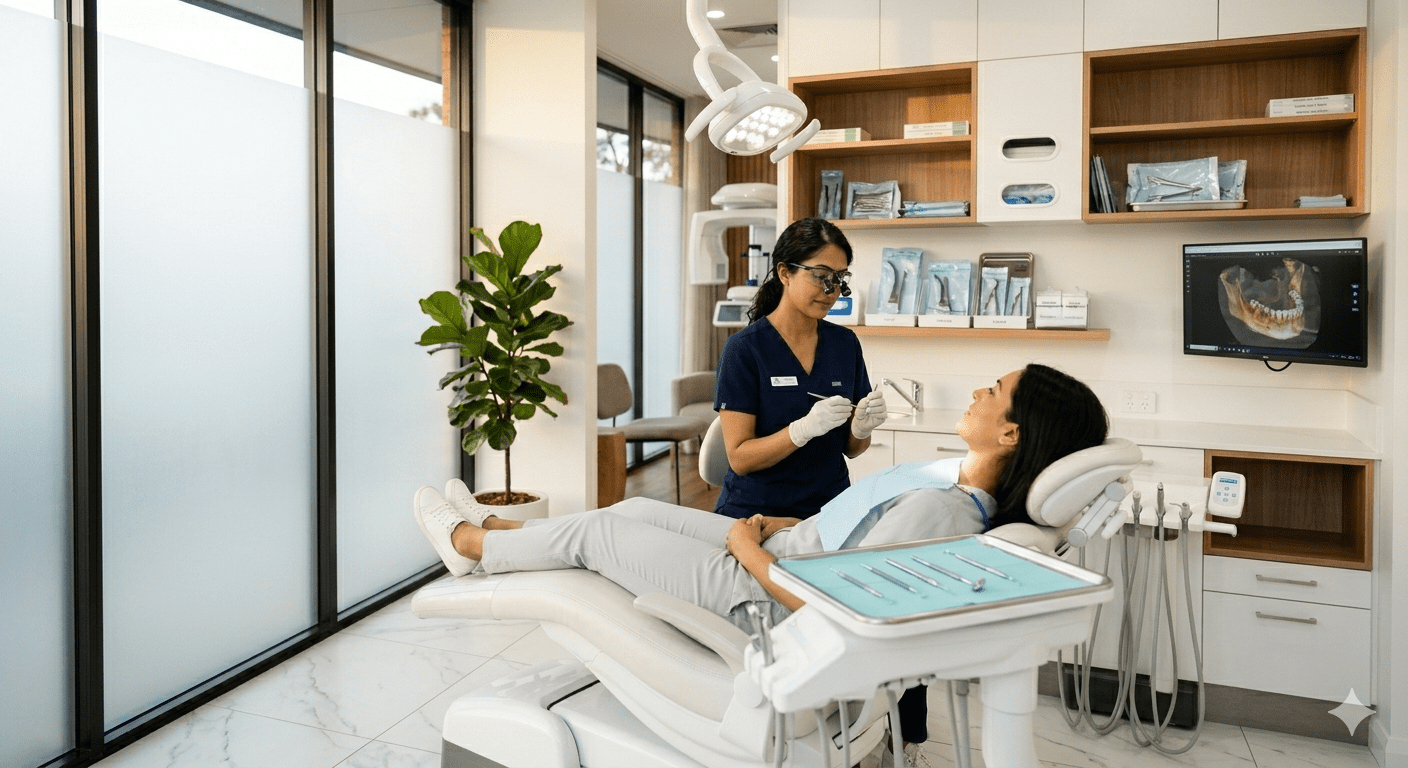
Dental implants in Overland Park, KS offer a reliable way to replace missing teeth with results that look and feel natural. They provide a strong foundation for permanent or removable replacement teeth, improving both appearance and function. Many people choose implants because they help preserve jawbone health and restore confidence in their smile.
Modern dental practices in Overland Park focus on patient comfort and use advanced technology to ensure the process is as smooth and straightforward as possible. Whether someone is missing one tooth or several, implants can be customized to meet their unique needs in a way that fits comfortably and lasts for years.
By understanding the basic options and benefits of dental implants, patients can make informed choices about their oral health. A trusted dental expert in Overland Park can guide them through the process and answer any questions along the way.
Understanding Tooth Loss and Replacement Options
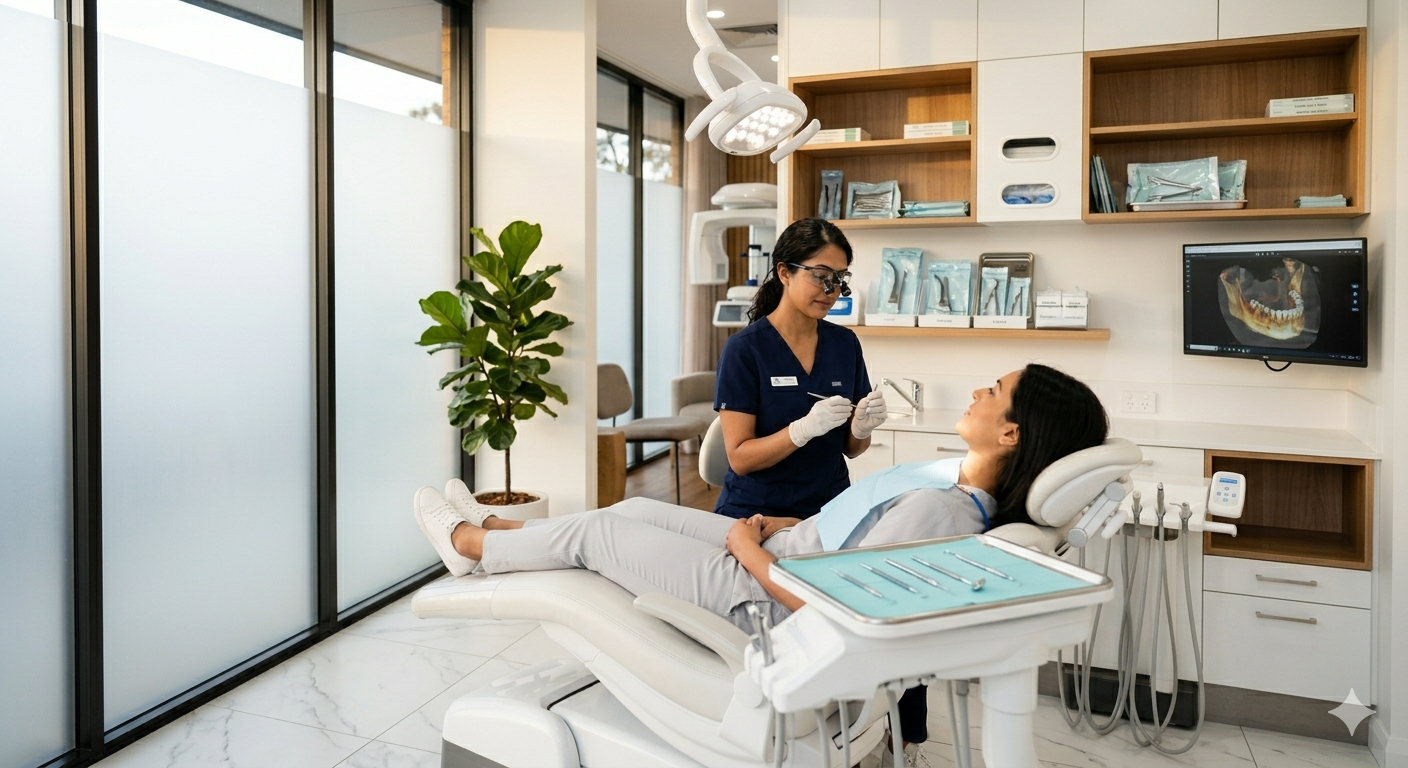
Tooth loss affects not just appearance but also chewing, speaking, and overall oral health. Various causes can lead to missing teeth, and several treatments exist to restore function and comfort. Knowing the pros and cons of each option helps patients make informed decisions about their dental care.
Common Causes of Missing Teeth
Most tooth loss results from advanced gum disease, which damages the supporting bone and tissues. Without treatment, teeth loosen and eventually fall out. Another frequent cause is tooth decay, especially when cavities reach deep into the tooth or root.
Accidents and injuries also contribute, often requiring urgent care to save or replace teeth. Some patients lose teeth due to congenital reasons, meaning they never developed certain teeth.
Poor oral hygiene, smoking, and health conditions like diabetes increase the risk of losing teeth. Regular dental visits are crucial to catch problems early.
Comparing Alternatives to Implants
Dental implants offer a durable and natural-feeling solution, but other options exist. Dentures are removable and generally less expensive but can slip and affect speech. Dental bridges fix gaps by anchoring to adjacent teeth, though they may require reshaping healthy teeth.
| Option | Advantages | Disadvantages |
|---|---|---|
| Implants | Long-lasting, bone preservation | Higher cost, requires surgery |
| Dentures | Affordable, non-invasive | Less stable, frequent adjustments |
| Bridges | Fixed, natural appearance | Can damage nearby teeth |
Implants stimulate jawbone health and look like natural teeth. Still, patient health, budget, and lifestyle guide the best choice.
Impact of Tooth Loss on Oral Health
Missing teeth change how the jawbone behaves, leading to gradual bone loss and facial changes. Neighbors teeth may shift or tilt, causing bite problems and uneven wear.
Chewing becomes less effective, affecting nutrition and sometimes digestion. Speech may also alter, making it harder to pronounce certain sounds clearly.
The risk of gum disease and further tooth loss increases because gaps trap food and bacteria. Early replacement helps maintain oral function and reduces the chance of more serious issues.
Patients worried about these effects should discuss replacement options with their dental provider to find comfort and confidence in their smile again.
How Dental Implants Work
Dental implants restore missing teeth by replacing both the root and the crown. This method supports chewing and speaking naturally. Implants are designed to blend seamlessly with existing teeth and are built for long-term stability.
Structure and Components
A dental implant consists of three main parts: the implant post, the abutment, and the crown. The implant post is a small titanium screw placed into the jawbone. It acts like a tooth root, anchoring the replacement securely.
Once the post integrates with the bone—a process called osseointegration—the abutment is attached. This piece connects the post to the visible part of the tooth.
The crown is the custom-made artificial tooth attached to the abutment. It’s colored and shaped to match surrounding teeth, providing a natural appearance and normal function.
Benefits of Implant Dentistry
Implants offer a durable and natural-feeling tooth replacement. Unlike dentures, they don’t slip or require adhesives. They also help prevent bone loss by stimulating the jawbone like real roots.
Patients often experience improved eating comfort and clearer speech. Implants don’t affect neighboring teeth, unlike bridges, which depend on adjacent teeth for support.
With proper care, dental implants can last many years, making them a cost-effective option for tooth replacement.
Candidate Eligibility
Not everyone qualifies for dental implants immediately. Good jawbone density is essential to support the implant post. If the bone is weak or thin, a bone graft may be necessary first.
Candidates should have healthy gums and be free from untreated gum disease. Medical conditions like uncontrolled diabetes or smoking can affect healing and implant success.
A dental professional in Overland Park will evaluate health history and perform imaging scans to determine candidacy. Personalized treatment plans help ensure the best outcome for each patient.
Planning Your Implant Journey in Overland Park
Starting with dental implants involves thoughtful decisions from choosing a qualified provider to personalized treatment tailored to your needs. Each step focuses on comfort, clear communication, and ensuring the best possible outcome.
Choosing the Right Dental Practice
Finding a dental practice in Overland Park with experience in implants is crucial. Look for providers who specialize in implant dentistry and have access to advanced technology like 3D imaging for precise planning. Credentials such as board certification or additional implant training signal expertise.
Patient reviews and before-and-after photos also help gauge results and patient satisfaction. A good practice will offer a welcoming environment, clear explanations, and transparent pricing. Confirm that the team prioritizes comfort and follows strict hygiene protocols.
Initial Consultation and Assessment
The first visit involves a thorough oral exam and discussion of medical history. Imaging, such as X-rays or CBCT scans, helps evaluate bone density and jaw structure—key factors for successful implants. This step identifies potential issues like bone loss or gum disease.
The dentist will explain if bone grafts or sinus lifts are needed before placing implants. They also review options, expected timelines, and answer any concerns about pain or healing. This sets realistic expectations and helps patients feel informed and at ease.
Personalized Treatment Plans
A tailored treatment plan considers the number of missing teeth, jawbone condition, and overall health. The dentist recommends the type and placement of implants most suited to the patient’s lifestyle and budget.
Plans often include scheduling each phase, from implant insertion to crown placement, with estimated healing times. Patients receive detailed instructions for pre- and post-procedure care. Clear communication helps avoid surprises and supports a smooth recovery.
Step-By-Step Guide to the Implant Procedure
Dental implant treatment involves careful planning, surgical placement, and precise restoration. Each stage is designed to ensure comfort, durability, and natural appearance.
Pre-Surgical Preparation
Before surgery, the dentist performs a thorough examination, including X-rays or 3D scans, to assess jawbone health and structure. This helps determine the best implant size and position.
Patients should share their full medical history, including medications and any chronic conditions, so the dental team can anticipate risks. Sometimes, bone grafting or sinus lifts are required if the bone is too thin.
Clear instructions about fasting or medications before the procedure are given. The team also reviews anesthesia options to keep the patient relaxed and pain-free during surgery.
Surgical Placement Process
During surgery, the implant—a small titanium post—is carefully inserted into the jawbone where the missing tooth root was. Local anesthesia is commonly used, sometimes with sedation for added comfort.
The implant is positioned precisely to promote stable integration with the bone, a process called osseointegration, which can take several months. A temporary crown or healing cap may be placed to protect the site.
Post-surgery, patients receive guidelines for pain management, oral hygiene, and diet to support healing and reduce infection risk. Follow-up visits monitor progress and detect any issues early.
Attaching the Final Restoration
Once the implant fuses with the bone fully, the final step is attaching the crown, bridge, or denture. The implant is uncovered if covered by gum tissue, and an abutment is connected to it.
This abutment acts as the base for the new tooth. The restoration is custom-made to match the color, shape, and size of natural teeth, blending seamlessly.
The dentist ensures proper fit and bite alignment before permanently fixing the restoration. Care instructions are reviewed to help the patient maintain the implant’s health long term.
Comfort, Recovery, and Aftercare
Dental implant patients can expect a manageable recovery with proper care and attention. Swelling, mild pain, and some bruising are common but usually brief. Healing times and comfort can improve greatly with the right steps after surgery.
Managing Discomfort After Surgery
Discomfort after getting dental implants is normal but typically mild. Over-the-counter pain relievers like ibuprofen often suffice to control pain during the first few days. Cold compresses applied to the cheek can reduce swelling and numb soreness effectively.
It’s important to avoid strenuous activity for 48–72 hours, as increased blood flow may worsen swelling or bleeding. Patients should also keep their head elevated while resting to help minimize discomfort. Following the dentist’s instructions about medication and oral hygiene is key to smooth healing.
Tips for Quick Healing
Keeping the implant site clean is crucial to prevent infection and speed recovery. Patients should rinse gently with a saltwater solution 24 hours after surgery—three times a day—avoiding vigorous mouth rinsing. Brushing near the implant should be done with care to avoid irritating the area.
Eating soft, nutritious foods like yogurt, mashed potatoes, and smoothies helps protect the surgical site. Hard, crunchy, or hot foods should be avoided for at least one week. Staying hydrated and avoiding smoking or alcohol also support tissue repair and reduce the risk of complications.
Long-Term Maintenance and Checkups
Dental implants require regular care to stay healthy and functional for many years. Routine brushing and flossing around the implant prevent plaque buildup and gum inflammation. Special interdental brushes or water flossers can be helpful for reaching around the implant crown.
Patients should schedule follow-up visits every 6 to 12 months, depending on their dentist’s advice. These checkups allow early detection of potential issues like bone loss or gum disease. Professional cleanings designed for implants keep them in optimal condition and detect any wear or damage early.
Life With Implants: What To Expect
Dental implants in Overland Park, KS offer a stable, lasting solution for tooth replacement. Patients can anticipate improvements in daily functions like eating and speaking, noticeable changes in appearance, and manageable hygiene routines to keep implants healthy.
Eating and Speaking Naturally
Once healed, dental implants function much like natural teeth. They are anchored in the jawbone, providing solid support that prevents slipping or shifting seen with dentures. This allows patients to enjoy a wider variety of foods without worry.
Speech clarity often improves as well because implants restore normal bite and tongue placement. Unlike dentures, implants don’t create a bulky feeling in the mouth that can interfere with words. Patients usually adapt quickly and regain confidence in social settings.
Initial sensitivity or slight discomfort may occur as the mouth adjusts, but this typically subsides within weeks. Overland Park dentists advise avoiding very hard or sticky foods during early healing to protect the implant site.
Aesthetics and Confidence Boost
Dental implants closely mimic the look and feel of natural teeth. The crowns are custom-designed to match tooth color, shape, and size, creating a seamless smile. This can significantly lift a patient’s confidence.
With no visible metal or clasps, implants avoid the “artificial” appearance some dentures have. Patients report feeling more comfortable smiling and speaking freely. The restoration also helps maintain facial structure, reducing the sunken look often caused by missing teeth.
By improving bite and appearance, implants support overall oral health and emotional well-being. Overland Park dental experts often highlight these benefits when discussing treatment options with patients.
Daily Hygiene Routines
Caring for dental implants requires a consistent but straightforward hygiene routine. Patients should brush twice daily with a soft-bristle toothbrush and use low-abrasive toothpaste. Flossing around implants is crucial to remove plaque buildup and keep gums healthy.
Special interdental brushes or water flossers can aid cleaning in tight spaces near the implant. Unlike dentures, implants don’t need soaking or removal for hygiene, making them easier to manage.
Regular dental check-ups and professional cleanings in Overland Park are essential to monitor implant health and prevent complications like peri-implantitis. Following these simple steps helps ensure implants last many years while keeping natural teeth and gums strong.
Why Choose a Local Overland Park Dental Team
Choosing a dental team nearby offers personalized care tuned to the community’s needs. Patients benefit from a supportive environment where trust builds over time and treatment feels more tailored and accessible.
Community-Centered Care
Local Overland Park dental teams understand the community’s unique health concerns and lifestyle. They often collaborate with nearby specialists and use local resources to enhance patient care. This means treatments like dental implants are not just technically advanced but fit well with patients’ daily lives.
They focus on creating a welcoming, familiar atmosphere. Staff usually know patients by name, helping reduce anxiety and making appointments smoother. Convenience is another key factor—same-day visits, flexible scheduling, and quick responses help patients stay on track with their oral health.
Patient Testimonials and Success Stories
Hearing from local patients can build confidence in a dental practice. Many Overland Park residents share stories about how dental implants restored their smile, improved chewing, or boosted self-esteem. These testimonials often highlight friendly staff, clear communication, and pain management techniques.
Success stories show not only the dentist’s skill but also the quality of patient care and follow-up. They provide real examples of how tailored treatments work in practice. Patients often report feeling supported emotionally and physically throughout their dental journey.
Support Through Every Step
A local dental team guides patients through consultation, procedure, and aftercare with close attention. They take time to explain each stage using simple language, so patients know what to expect and how to prepare.
Post-implant care is closely monitored onsite, making it easier to address any concerns quickly. Follow-up visits focus on healing, implant stability, and oral hygiene to ensure long-term success. This continuity reduces stress and promotes confidence in the treatment process.
Financial Considerations and Insurance Guidance
Understanding the financial aspects of dental implants helps patients plan effectively. Costs vary widely, and insurance can impact out-of-pocket expenses. Payment options often make treatment more accessible.
Typical Costs and Payment Plans
Dental implant costs in Overland Park, KS, typically range from $3,000 to $5,000 per implant. This price usually covers the implant, abutment, and crown but can increase with additional procedures like bone grafting or sinus lifts.
Many dental offices offer payment plans to spread costs over several months. These plans often have low or no interest, making implants more affordable without sacrificing quality. Patients should ask about in-office financing or third-party lenders like CareCredit.
It’s helpful to get a detailed estimate before treatment. This estimate should outline all fees, including consultations, x-rays, and follow-ups, so there are no surprises.
Navigating Insurance Coverage
Most dental insurance plans provide limited coverage for implants, considering them elective or cosmetic. However, some plans may cover parts of the procedure, like the crown or preparatory treatments.
Patients should review their specific policy or speak with their insurance representatives. It’s important to confirm coverage for each stage of the procedure—implant placement, restoration, and any extra work.
Documentation from the dental office can assist in insurance claims. Sometimes, dental offices will submit claims on the patient’s behalf or help coordinate benefits with medical insurance if oral surgery relates to medical health.
Investing in Lasting Value
While dental implants come with upfront costs, they offer long-term value. Implants preserve bone and facial structure better than dentures or bridges, reducing future dental expenses.
They also tend to last 20 years or more with proper care, which can make them more cost-effective over time. Patients should consider them an investment in both oral health and quality of life.
Regular dental checkups and good oral hygiene are vital to protect this investment. The right aftercare helps avoid complications and ensures the implant remains a durable solution.
If cost is a concern, consulting with an Overland Park dental office can provide clarity and personalized financial options.
Next Steps: Scheduling a Personal Consultation
Once a patient decides to explore dental implants in Overland Park, KS, scheduling a personal consultation is the important next step. This appointment allows the dental team to evaluate oral health, discuss medical history, and tailor a treatment plan that fits individual needs.
During the consultation, the dentist reviews X-rays or takes 3D scans to understand bone structure and identify any challenges. They explain the entire implant process, answer questions, and address concerns to ensure the patient feels comfortable and informed.
Patients can expect to discuss factors like overall health, lifestyle, and budget during this visit. It’s also a chance to explore anesthesia options and understand the timeline involved.
Scheduling is straightforward. Patients can:
- Call the office directly
- Book an appointment online
- Ask about flexible hours or payment plans
This first meeting is not a commitment but a friendly conversation to clarify what dental implants can do for their smile and confidence.
Taking this step helps individuals move forward with a clear plan and peace of mind.
Frequently Asked Questions
Dental implants require a bit of planning and understanding before getting started. Many patients wonder if they qualify, how long the process will take, and what to expect during treatment.
Am I a good candidate for dental implants, and what would keep someone from getting them?
Candidates need healthy gums and enough bone to support the implant. Conditions like uncontrolled diabetes or heavy smoking can affect healing and might delay or prevent implant placement.
Age alone isn’t a barrier, but some medical issues could require a thorough evaluation. A dentist will assess your overall health and oral status before recommending implants.
How long does the dental implant process usually take from start to finish?
On average, the process can take three to six months. This includes implant placement, healing time for osseointegration (where the implant fuses with bone), and finally attaching the crown.
Some cases might allow for quicker restoration with advanced techniques, but most follow a phased approach to ensure success.
Do dental implants hurt, and what are my options for staying comfortable during treatment?
Patients usually experience mild discomfort after implant surgery, similar to a tooth extraction. Local anesthesia and sedation options help manage pain during the procedure.
Over-the-counter pain relievers and following post-operative care instructions keep discomfort minimal during recovery.
What’s the difference between seeing a general dentist and a prosthodontist for implant restoration?
A general dentist can place and restore implants, often handling straightforward cases. Prosthodontists specialize in complex implant restorations and full-mouth rehabilitations.
Prosthodontists receive extra training in the mechanics, aesthetics, and function of implant-supported teeth.
Can dental implants help fix bite problems or improve how my teeth come together?
Implants can restore missing teeth to improve bite alignment, but they don’t move existing teeth like orthodontics. Proper implant placement supports healthy chewing and jaw function.
In some cases, implants are combined with other treatments to address bite issues fully.
What should I look for in patient reviews and before-and-after photos when choosing an implant provider?
Look for clear images showing natural-looking results from different angles and lighting. Reviews mentioning comfortable care, clear communication, and successful healing give insight into the patient experience.
Consistency in quality work and positive outcomes usually points to a reliable implant provider.