 (913) 347-4180
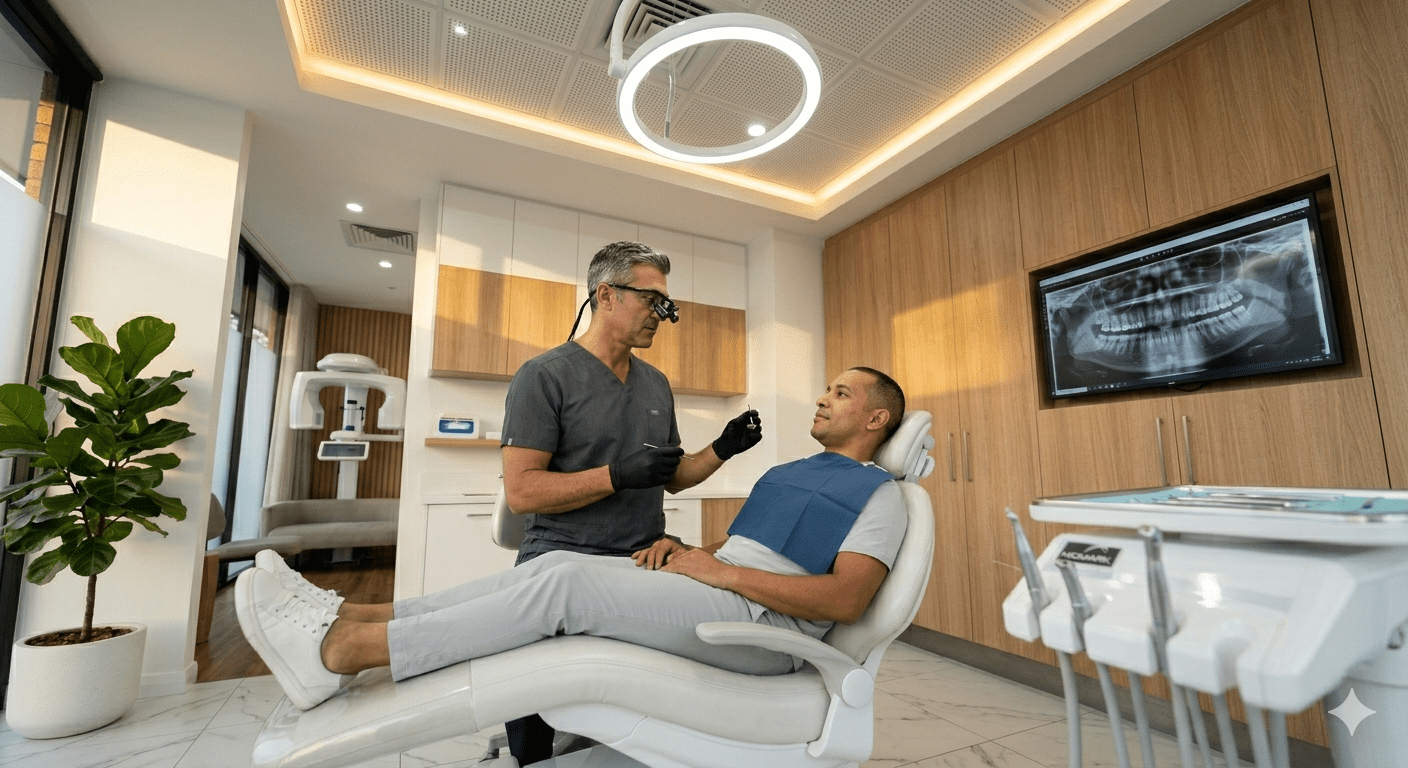
When a dental emergency strikes in Overland Park, knowing where to turn can make all the difference. Emergency dental services in Overland Park, KS, offer prompt and effective care to relieve pain, prevent further damage, and restore dental health quickly. Whether it’s a sudden toothache, a broken tooth, or a lost filling, local clinics are ready to help.
These services focus on patient comfort and use modern treatment options to manage urgent dental problems efficiently. It’s reassuring to know that skilled professionals are available when you need immediate attention, making complex issues easier to handle.
Being prepared means understanding your options and knowing whom to call. Emergency dentists in Overland Park not only address acute issues but also guide patients toward preventive care to avoid future problems. They encourage anyone experiencing dental pain to seek help without delay.
What Are Emergency Dental Services?
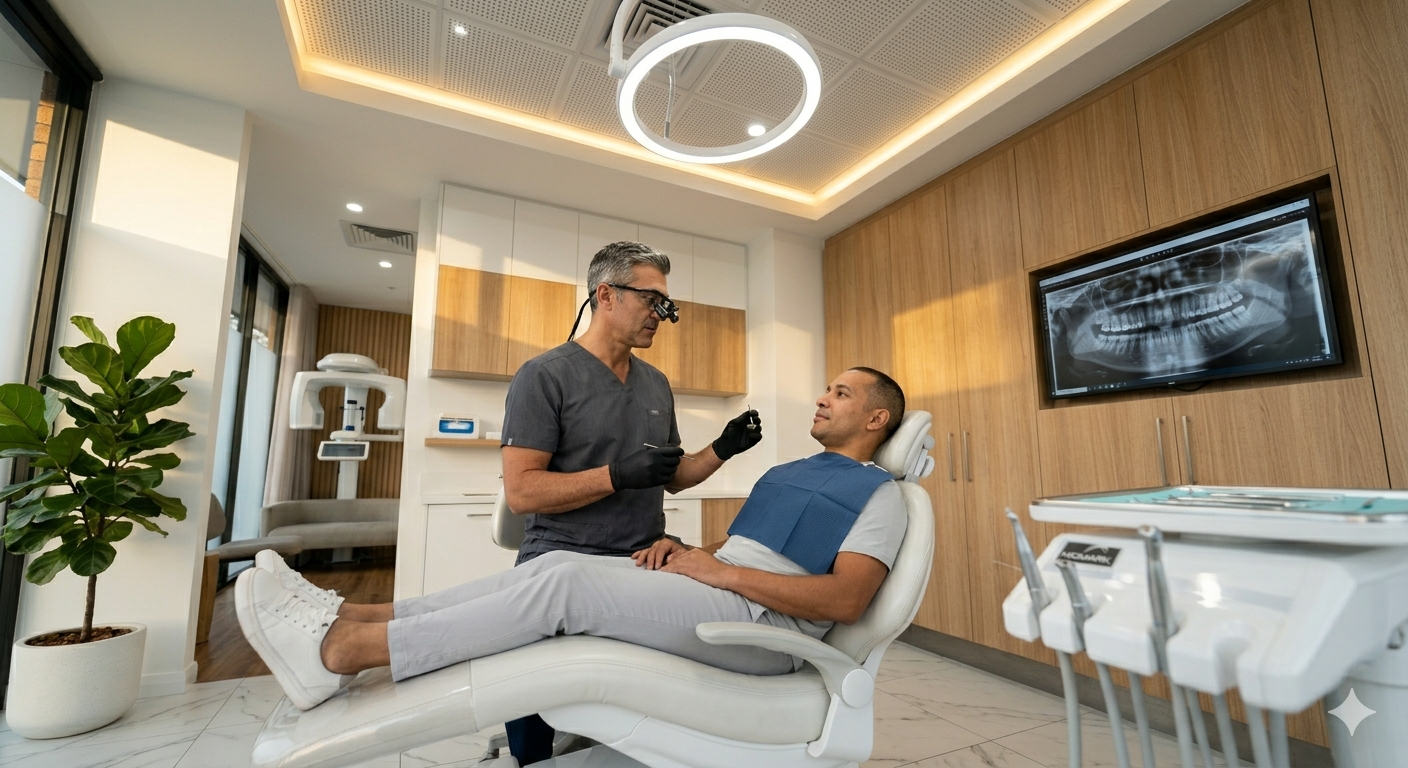
Emergency dental services address urgent issues that require immediate attention to relieve pain, prevent complications, and preserve dental health. These services focus on unexpected injuries or infections that cannot wait for a regular appointment.
Common Dental Emergencies
Dental emergencies include severe toothaches, knocked-out teeth, broken crowns or fillings, and injuries causing bleeding or swelling. A tooth knocked out by a fall or accident requires quick action to improve chances of saving it.
Abscess infections can cause intense pain and swelling and need prompt treatment to stop the spread of infection. Lost or damaged dental work, such as crowns or braces, can also cause discomfort or expose nerves.
When to Seek Urgent Dental Care
Emergency dental care is necessary when pain is severe, bleeding won’t stop, or a tooth is completely knocked out. Difficulty breathing or swallowing due to oral swelling also requires immediate dental or medical attention.
If a tooth is cracked or fractured, prompt care prevents infection and further damage. Persistent pain after trauma or injury is a clear signal to contact an emergency dentist quickly.
Immediate Steps You Can Take
Rinsing the mouth gently with warm water helps clean the area and reduce bacteria. For bleeding, applying pressure with a clean cloth or gauze can control it.
If a tooth is knocked out, hold it by the crown (the visible part), rinse with water, and try to place it back in the socket without forcing it. If that’s not possible, store it in milk or saline as you head to the dentist.
Using a cold compress on the outside of the mouth can reduce swelling and ease pain temporarily until professional care is available. Avoid chewing on the affected side to prevent added damage.
Types of Dental Emergencies Treated in Overland Park, KS
Emergency dental services in Overland Park cover a range of urgent situations that require immediate care to alleviate pain, prevent infection, and restore function. From sudden severe toothaches to damaged teeth and lost dental work, prompt treatment makes a crucial difference.
Severe Toothaches and Pain Relief
Severe toothaches are a common reason people seek emergency dental care in Overland Park. The pain often signals underlying issues like tooth decay, infection, or an abscess. Dentists focus on identifying the cause through examinations and X-rays, then provide pain relief and treatment to stop the problem from worsening.
Immediate care might involve prescribing antibiotics if an infection is present or performing a root canal to save the tooth. Temporary fillings or pain medication may also be used to ease discomfort until full treatment can be completed. Patients are encouraged to avoid self-medicating without professional advice, as some remedies can worsen symptoms.
Knocked-Out or Broken Teeth
A knocked-out tooth (avulsed tooth) requires urgent attention to improve chances of reattachment. Emergency dentists in Overland Park advise handling the tooth carefully by the crown, rinsing it gently, and storing it in milk or saliva while seeking care immediately.
Broken or fractured teeth are treated based on the injury type. Minor chips may be smoothed or restored with bonding, while larger breaks can require crowns or root canals. Quick intervention not only saves teeth but reduces the risk of infection and damage to surrounding tissue.
Lost Fillings or Crowns
Losing a filling or crown can expose sensitive tooth material, leading to discomfort or infection if left untreated. Overland Park emergency dentists offer quick replacements or temporary fixes to protect the tooth.
Patients are advised to bring the lost piece to the appointment if possible. While waiting for treatment, applying dental cement available at pharmacies can help shield the area. Avoiding chewing on that side prevents further damage or pain until professional repair.
How Emergency Dental Appointments Work
Emergency dental visits are designed to provide quick relief and prevent further damage. From initial assessment to treatment, the process focuses on comfort and effective care.
What to Expect During Your Visit
When a patient arrives for an emergency dental appointment, staff typically prioritize urgent cases. The dentist begins with a detailed examination to identify the problem, often using X-rays if needed.
Patients can expect a calm and focused environment where their pain and concerns are addressed immediately. The dentist will ask about symptoms, medical history, and any medications to tailor treatment safely.
The goal at this stage is to diagnose the issue accurately while keeping the patient comfortable. Any swelling or infection may be managed with medication before proceeding to repair or extraction.
Same-Day Treatment Options
Many emergency dental clinics in Overland Park KS offer treatments that can be completed the same day. Common procedures include root canal therapy to save infected teeth, tooth extractions, and repairs of broken or knocked-out teeth.
Dentists use modern tools to reduce pain and speed healing. Cosmetic fixes, like temporary crowns or bonding, may also be provided to restore appearance and function quickly.
Pain management can include local anesthesia or sedation, ensuring the patient feels secure throughout the procedure. Follow-up appointments help monitor recovery and plan any additional care.
Advanced Technology Used in Emergency Dentistry
Emergency dentistry in Overland Park uses modern tools to quickly and effectively diagnose and treat urgent dental problems. These technologies improve the accuracy of diagnosis and help reduce discomfort during treatment.
Digital X-Rays and Imaging
Digital X-rays provide fast, clear images of teeth, gums, and bone structures. Unlike traditional X-rays, they expose patients to significantly less radiation and deliver instant results.
This technology helps dentists identify issues such as fractures, infections, or impacted teeth that are not visible to the naked eye. The detailed images allow for more precise treatment planning, which is crucial during emergencies.
Additionally, 3D imaging techniques, like cone beam CT scans, give a complete view of the dental anatomy. This ensures that complex problems are fully understood before any procedure begins, reducing surprises and treatment time.
Pain-Free Anesthesia Techniques
Managing pain quickly is a top priority in emergency dental care. Modern anesthesia methods focus on patient comfort and effectiveness.
Topical anesthetics numb the affected area softly before injections, reducing any initial sting. Local anesthesia with advanced delivery systems administers drugs smoothly, lessening discomfort.
Some clinics offer sedation options such as nitrous oxide (“laughing gas”) or oral sedatives. These calm anxiety and make procedures feel easier without long recovery times.
By using these pain-control methods, dentists ensure that emergency treatment is as gentle and stress-free as possible, helping patients feel safe and cared for during their visit.
Choosing the Right Emergency Dentist in Overland Park
Finding an emergency dentist who offers reliable care and quick response is essential. Important factors include the qualities that ensure trust and the availability of services when dental issues arise unexpectedly.
Qualities of a Trustworthy Dental Practice
A trustworthy emergency dentist in Overland Park is one who communicates clearly and shows genuine concern for patient comfort. They provide transparent information on treatment options and costs upfront, which helps reduce anxiety during emergencies.
Look for a practice using modern equipment to offer effective pain relief and accurate diagnosis. Friendly, experienced staff who handle emergencies efficiently make a big difference in those stressful moments.
Patient reviews and recommendations also reveal how a dentist handles urgent situations. A commitment to follow-up care speaks to their dedication beyond immediate treatment.
After-Hours and Weekend Availability
Timely care can prevent complications, so the dentist’s hours matter a lot. An ideal emergency dental practice offers after-hours and weekend appointments to fit unpredictable schedules.
Overland Park dentists who provide 24/7 phone support or direct walk-in options create peace of mind during nights or holidays. This accessibility means patients don’t have to wait unnecessarily, avoiding added pain or prolonged injury.
It’s wise to confirm these hours before needing emergency care, so patients know exactly where to turn when urgent dental problems occur.
Preventing Dental Emergencies
Taking active steps every day can significantly lower the risk of unexpected dental problems. Simple habits and proper protection during physical activities are key to keeping teeth safe and healthy.
Everyday Tips for Oral Health
Good daily habits start with brushing twice a day using a soft-bristled toothbrush and fluoride toothpaste. Flossing once a day removes food particles and plaque that brushing misses, reducing the chance of cavities and gum infections.
Eating a balanced diet also plays a role. Limiting sugary snacks and drinks helps prevent tooth decay. Drinking plenty of water keeps the mouth clean and supports saliva production, which naturally protects teeth.
Regular dental check-ups allow early detection of small issues before they become emergencies. Patients should visit their dentist at least twice a year or as recommended based on their oral health.
Protective Gear for Sports
Wearing the right protective equipment during sports is crucial to avoiding chipped teeth, jaw injuries, and soft tissue damage. Custom-fitted mouthguards provide the best protection by absorbing shock and cushioning the teeth.
For contact sports like football or hockey, athletes should also use face shields or helmets with face cages to minimize the risk of trauma. Even in less intense activities such as basketball or skateboarding, a mouthguard can prevent sudden dental injuries.
Parents should ensure children have properly fitting gear and educate them on the importance of wearing it consistently. These measures save visits to emergency dental clinics and protect long-term oral health.
Insurance and Payment Options for Emergency Dental Care
Emergency dental care can be unpredictable, so understanding costs and how to handle payments eases stress. Many providers work with a variety of insurance plans and offer ways to manage expenses, ensuring prompt treatment without financial surprises.
Navigating Your Dental Benefits
Most dental insurance plans cover at least part of emergency services such as pain relief, tooth extractions, or root canals. However, coverage varies widely between providers, especially with out-of-network emergency visits.
Patients should check if their plan includes immediate care benefits or if a referral is needed. Plans often cover 50-80% of emergency treatments after the deductible. Some procedures, like X-rays or medications, might be covered differently.
It’s important to call ahead and confirm coverage details. Providers in Overland Park typically assist by verifying benefits before treatment. They can also explain out-of-pocket costs so patients know what to expect.
Flexible Payment Plans
Emergency dental bills can be costly, but many clinics offer payment plans tailored for urgent cases. These plans break down the total cost into smaller, manageable monthly payments.
Patients might qualify for interest-free options lasting 6-12 months or longer terms with low interest rates. Enrollment is usually quick and does not require perfect credit.
Some offices also accept third-party financing like CareCredit, which is widely used for dental emergencies. This allows patients to focus on healing instead of immediate full payment.
Most treatment coordinators help create a payment solution that works within the patient’s budget, so financial concerns do not delay care.
Schedule Your Emergency Dental Visit Today
When dental pain strikes or an injury happens, prompt care is crucial. Overland Park emergency dentists are ready to help patients manage pain quickly and stabilize the issue.
Patients can often schedule same-day appointments. Calling ahead lets the dental team prepare the right treatment without long waits. Many offices offer flexible hours, including evenings and weekends, to fit urgent needs.
Before the visit, it’s helpful to know details like the cause of pain or injury and any symptoms experienced. This information lets the dentist tailor care effectively right from the start.
What to expect when scheduling:
- Friendly staff will guide you through the process
- Clear instructions for arrival and paperwork
- Information on insurance and payment options
Comfort is a top priority. Modern emergency dentistry uses gentle techniques and sedation options to ease anxiety and pain.
If you have an urgent dental issue, encouraging them to call immediately ensures timely, expert care. Early treatment often prevents complications and promotes faster healing.
Frequently Asked Questions
Emergency dental issues can be confusing. Knowing the right steps and when to seek care can make a big difference in pain relief and treatment success.
What should I do right away if I have a severe toothache after hours?
Rinse your mouth gently with warm water to clean it. Use a cold compress on your cheek to reduce swelling.
Avoid putting aspirin or any medication directly on the gums. Call an emergency dentist as soon as possible for evaluation.
How can I tell if my dental problem needs urgent care tonight or can wait until morning?
Severe pain, bleeding that won’t stop, swelling, or a knocked-out tooth usually require immediate care. Minor sensitivity or dull aches may wait until regular office hours.
If pain worsens or you notice fever or spreading swelling, seek emergency care. It’s better to be safe with sudden or intense symptoms.
Can an emergency dentist help with a cracked or broken tooth, and what treatment options are available?
Yes, an emergency dentist can stabilize a cracked or broken tooth quickly. Treatment could range from bonding or crowns to root canal therapy depending on the damage.
Pain management and preventing infection are top priorities during initial visits. Follow-up care might be necessary for full repair.
What should I do if a tooth gets knocked out—how fast do I need to be seen?
A knocked-out tooth needs attention within 30 minutes to an hour for the best chance of saving it. Handle the tooth by the crown, not the root.
Rinse it gently and keep it moist in milk or saliva while heading to an emergency dentist immediately.
How much does an emergency dental visit typically cost, and do most offices accept insurance or offer payment options?
Costs vary but expect anywhere from $150 to $500 or more based on treatment complexity. Many emergency dentists accept dental insurance and offer flexible payment plans.
It’s a good idea to call ahead to confirm insurance acceptance and discuss payment options to avoid surprises.
If I have swelling, a gum infection, or a dental abscess, when should I go to the ER versus seeing a dentist?
If swelling causes trouble breathing or swallowing, visit the emergency room immediately. Otherwise, an emergency dentist should address localized infections.
Prompt treatment by a dentist can prevent the infection from worsening and reduce the need for hospital care.